



The "Advanced Field Geology and Research Training Program in Gansu Province," jointly initiated by the School of Earth Sciences and Engineering at Nanjing University and the Department of Earth Sciences at Freie Universität Berlin, has officially launched its preliminary registration for the 2026 session. This joint program aims to guide students and young researchers in applying scientific methods to geological mapping, thereby deepening their understanding that geological mapping is not merely "recording," but also a process of "discovery" and "decoding." It seeks to inspire their research enthusiasm for exploring new frontiers in Earth science. This program is also supported by the International Lithosphere Program (ILP) to provide field training of young European researchers on lithosphere studies.
The 2026 joint program is scheduled to take place from September 28 to October 9 (12 days in total). Through an intensive training model featuring "independent one-day geological mapping assessments," the field excursion encourages participants to rapidly and repeatedly apply the scientific method (problem / question, multiple working hypotheses, differentiating predictions, tests) and thereby gain familiarity with the process of exploring new geological questions. In addition to academic exploration, the field excursion also integrates cultural experiences. Participants will have the opportunity to visit the Silk Road cultural heritage sites in Dunhuang, Guazhou, and Jiayuguan, as well as the Yumen Oilfield Exhibition Hall, to learn about the history of oil exploration in western China. In addition, we will arrange a visit to the world's first continuous small‐radius spiral ramp excavated by tunnel boring machine at China's Beishan Underground Laboratory for high‐level radioactive waste disposal. These activities aim to promote cross-cultural understanding and friendship between Chinese and European students and young researchers.
Schedule:
Sep. 28, Arrive in Dunhuang;
Sep. 28-Sep. 30, Dunhuang Yunjing Hotel, Dunhuang: three nights,
Oct. 1-Oct. 2, Guangzhou Eastern Business Hotel, Liuyuan: two nights,
Oct. 3-Oct. 4, Guazhou Ruihe Hotel, Guazhou: two nights,
Oct. 5-Oct. 6, Yumen Hantin Hotel, Yumen: two nights,
Oct. 7-Oct. 8, Jiayuguan Boyue Hotel, Jiayuguan: two nights.
Oct. 9, leave Jiayuguan airport to Beijing or Nanjing.
September 28 (Monday): Chinese and European students arrive in Dunhuang, Hotel: Dunhuang Yunjing Hotel.
September 29 (Tuesday): Lectures will be held at the hotel conference room; prepare for field trip. Hotel: Dunhuang Yunjing Hotel
September 30 (Wednesday): Field mapping training south of Dunhuang, Hotel: Dunhuang Yunjing Hotel.
October 1 (Thursday): Check out and leave Dunhuang; field mapping training near Liuyuan, Hotel: Guangzhou Eastern Business Hotel.
October 2 (Friday): Field mapping training near Liuyuan, Hotel: Guangzhou Eastern Business Hotel.
October 3 (Saturday): Check out and leave Liuyuan; drive to Guazhou and check in; cultural excursion day (visiting Monk Museum, Art Gallery, Desert Sculptures); field summary and rest, Hotel: Guazhou Ruihe Hotel.
October 4 (Sunday): Field geological mapping training near Guazhou, Hotel: Guazhou Ruihe Hotel.
October 5 (Monday): Check out and leave Guazhou; drive to Yumen and check in, Hotel: Yumen Hantin Hotel.
October 6 (Tuesday): Visit Yumen Oilfield Exhibition Hall (the origin of petroleum exploration in western China); geological field trip to Changma Lake / the northernmost margin of the Tibetan Plateau, Hotel: Yumen Hantin Hotel.
October 7 (Wednesday): Check out and leave Liuyuan; Geological training between Yumen and Jiayuguan; drive to Jiayuguan and check in, Hotel: Jiayuguan Boyue Hotel.
October 8 (Thursday): Geological and cultural excursion in Jiayuguan, Hotel: Jiayuguan Boyue Hotel.
October 9 (Friday): Depart by flight from Jiayuguan airport to Beijing or Nanjing.
Price for hotel:
The cost for hotel is ~240 Yuan/night for each person in average (three-star hotel, two people share a standard room with two beds, breakfast included). Because the hotel price will increase dramatically during the “golden week” of national holidays (Oct. 1 to Oct. 7), especially in tourist areas, we need to book in advance to make sure the rooms and obtain a group discount. The total budget is expected to be2640 Yuan for 11 nights.
Transportation:
Nanjing University will provide a budget of 24,000 Yuan for transportation, but it is not enough for the whole group. For European participants,800 Yuan per person is required for transportation fee, which will cover the pickup service at the Dunhuang airport on Sep. 28, transportation during the field trip, and the airport drop-off at the Jiayuguan airport on Oct. 9. Most outcrops are close to road, accessible by walking. For some remote outcrops, we will rent off-road vehicles or mini-buses for one or two days.
Other cost:
International return flight tickets to Beijing: 8000–10000 Yuan;
Beijing to Dunhuang flight ticket, about 2000 Yuan;
Jiayuguan to Beijing flight ticket, about 2000 Yuan;
Insurance for 12 days: 200 Yuan
Food: 100 Yuan/day *12 days = 1200 Yuan;
Drinking water, sun cream, etc.: 300 Yuan;
Tickets for historical places in Dunhuang and Jiayuguan: about 400 Yuan, personal choice. We need to book tickets at least one month in advance because these tourist places are very popular (e.g., Maogao Caves in Dunhuang, Great Wall in Jiayuguan).
Visa:
Nationals holding valid ordinary passports of 50 countries, namely Brunei, France, Germany, Italy, Spain, the Netherlands, Switzerland, Ireland, Hungary, Austria, Belgium, Luxembourg, New Zealand, Australia, Poland, Portugal, Greece, Cyprus, Slovenia, Slovakia, Norway, Finland, Denmark, Iceland, Andorra, Monaco, Liechtenstein, the Republic of Korea, Bulgaria, Romania, Croatia, Montenegro, North Macedonia, Malta, Estonia, Latvia, Japan, Brazil, Argentina, Chile, Peru, Uruguay, Saudi Arabia, Oman, Kuwait, Bahrain, Russia, Sweden, Canada and UK are exempted from visa requirement if coming to China for the purpose of business, tourism, family or friends visits, exchange, transit, and study tours. They can stay in China for no more than 30 days without a visa.
Training Program Guiders:
Prof. Qin Wang (Nanjing University, Secretary General of International Lithosphere Program), Prof. Alex Webb (Freie Universität Berlin, Germany), Prof. Guangwei Li (Nanjing University, China), Dr. Hannah S. Davies (Freie Universität Berlin, Germany).
Registration:
Registration is open fromJune 18 to July 10, 2026 for graduate students, senior undergraduate students, and young researchers in geology and geophysics in Europe. There is no registration fee. European students need to find financial support for themselves. As mentioned above, the total budget for a European student is about 19000 Yuan (~2400 Euro).
Please send your CV and dietary habits (allergy conditions, vegetarian diet, and other special requirements if necessary) to Prof. Qin Wang (Professor at Nanjing University, Secretary General of ILP) by email:qwang@nju.edu.cn.
Once accepted, staffs at Nanjing University will ask for a copy of your passport to prepare invitation letters and book domestic flight tickets, hotel rooms, buses and other materials. If the participants want to visit other cities in China after the training program, please tell us in the email so that we will not book your return flight from Jiayuguan to Beijing.
For more information, please contact Prof. Qin Wang (qwang@nju.edu.cn).
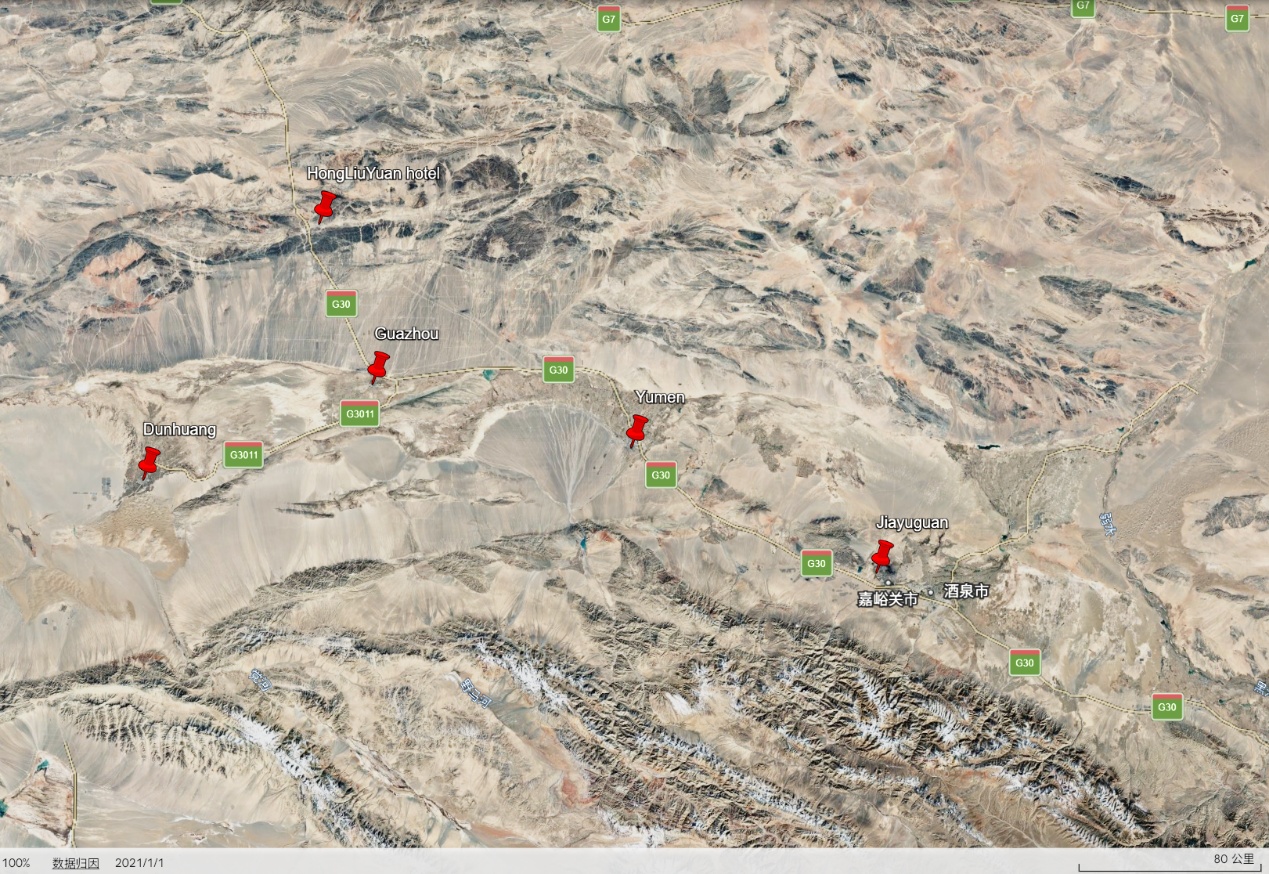
Fig. 1. Field route map for the Advanced Field Geology and Research Training Program in Gansu Province, western China
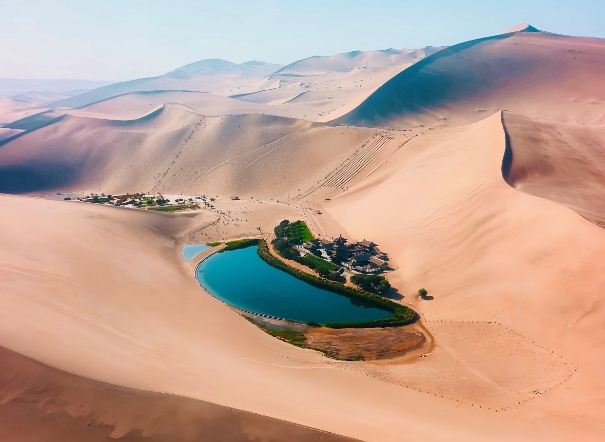
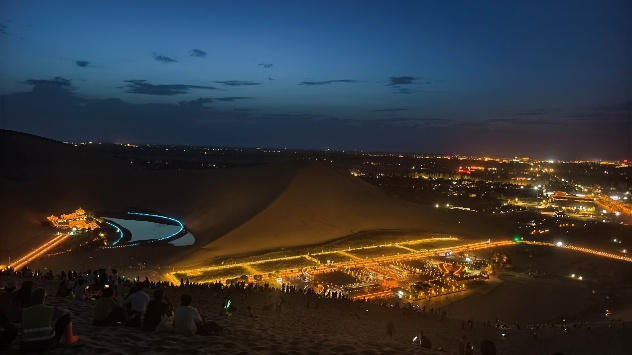
Fig. 2. Mingsha Mountain and Crescent Spring in Dunhuang
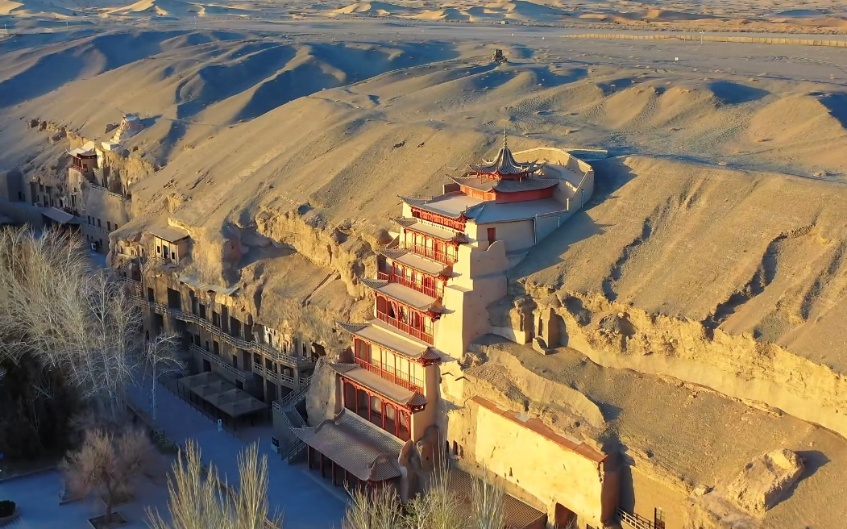
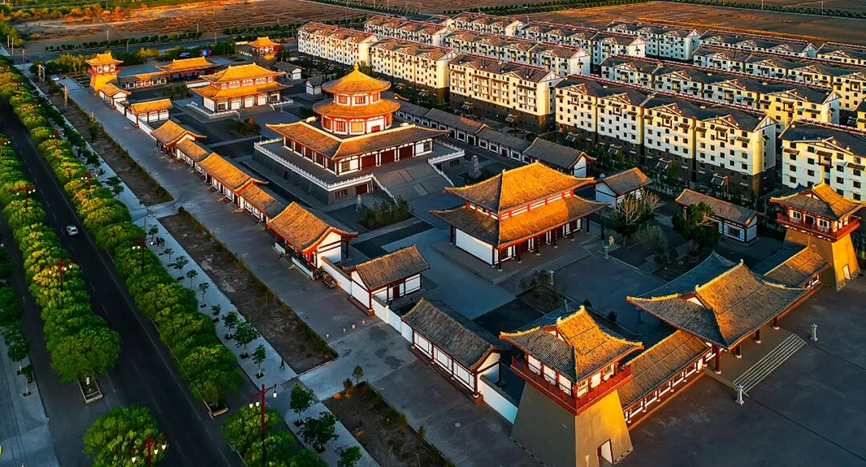
Fig. 4. Xuanzang Culture Museum in Guazhou, is a historic Silk Road oasis town renowned as the "Hometown of Chinese Hami Melons" (Photo credit: Guazhou Culture and Tourism)
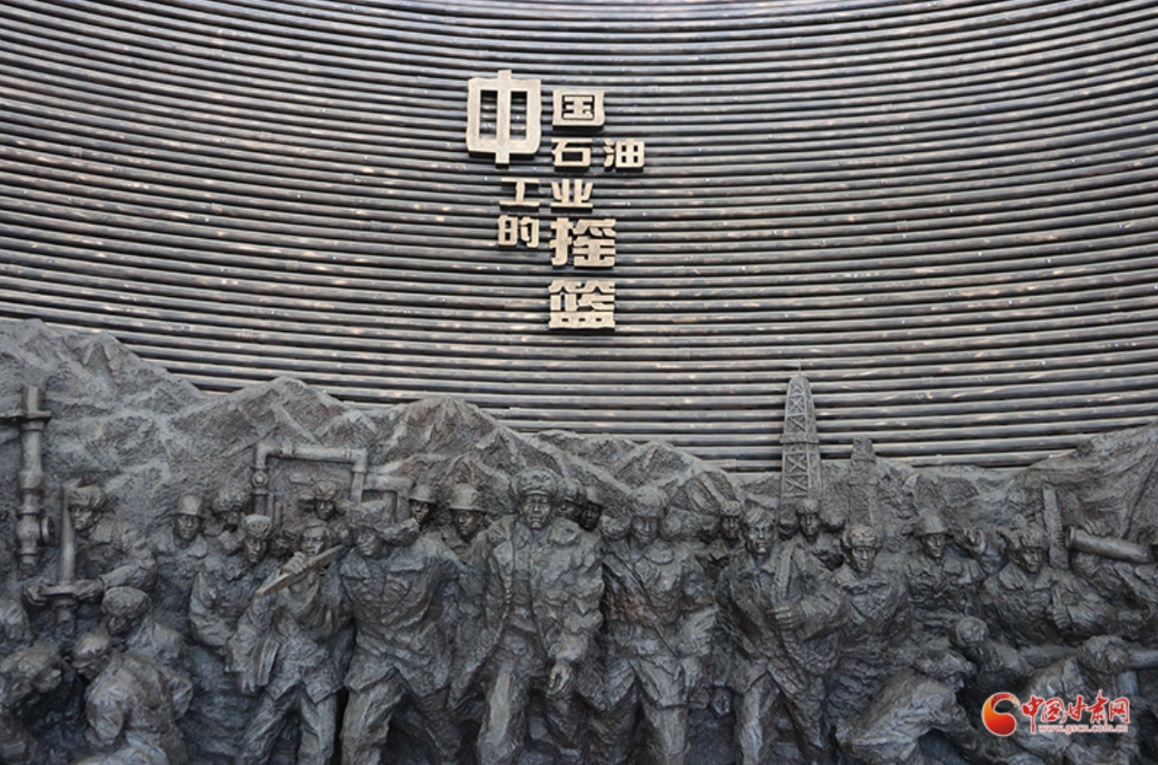
Fig. 5. The Yumen Oilfield, established in 1939 as China's first natural petroleum base and known as the "cradle of China's petroleum industry".
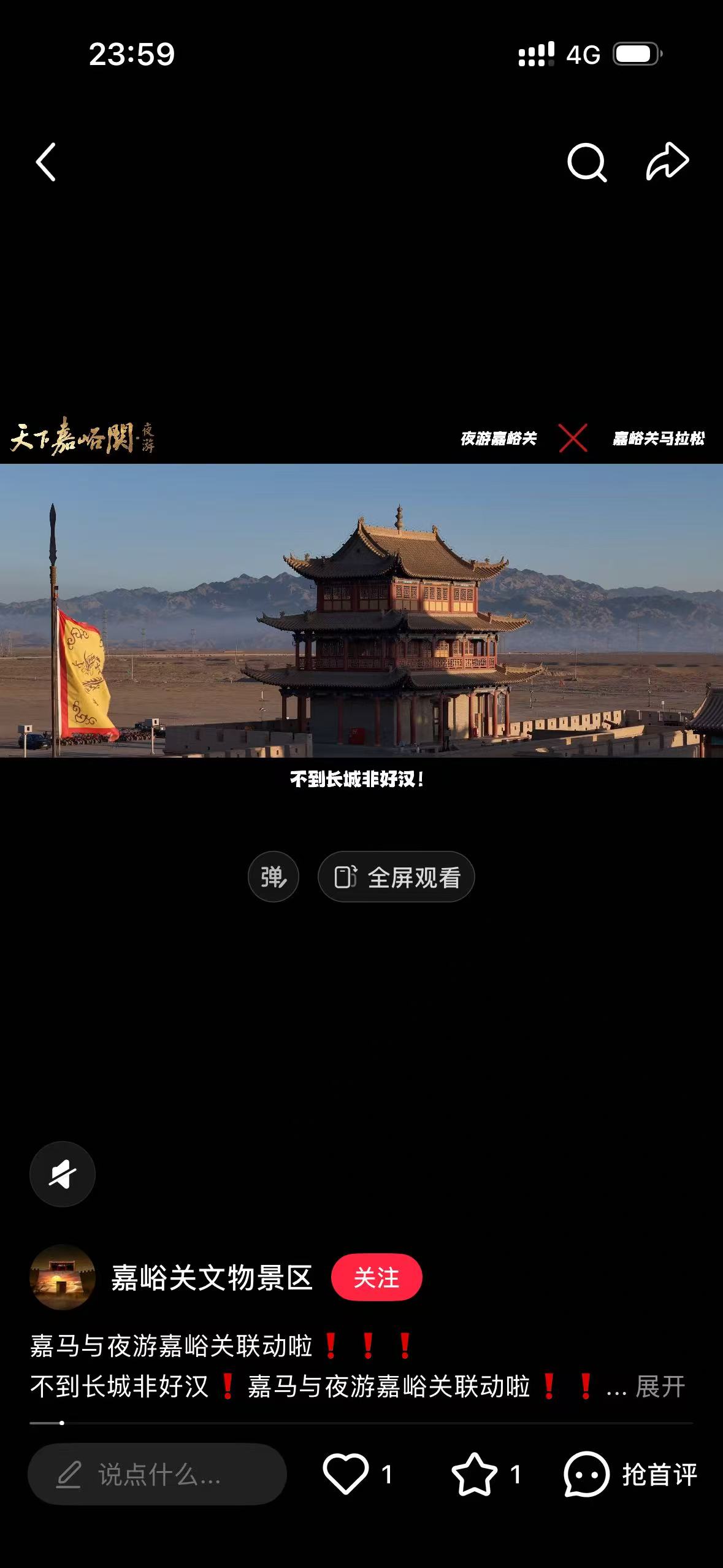
Fig. 6. Jiayuguan Great Wall (Photo credit: Jiayuguan Cultural Relics Scenic Area)
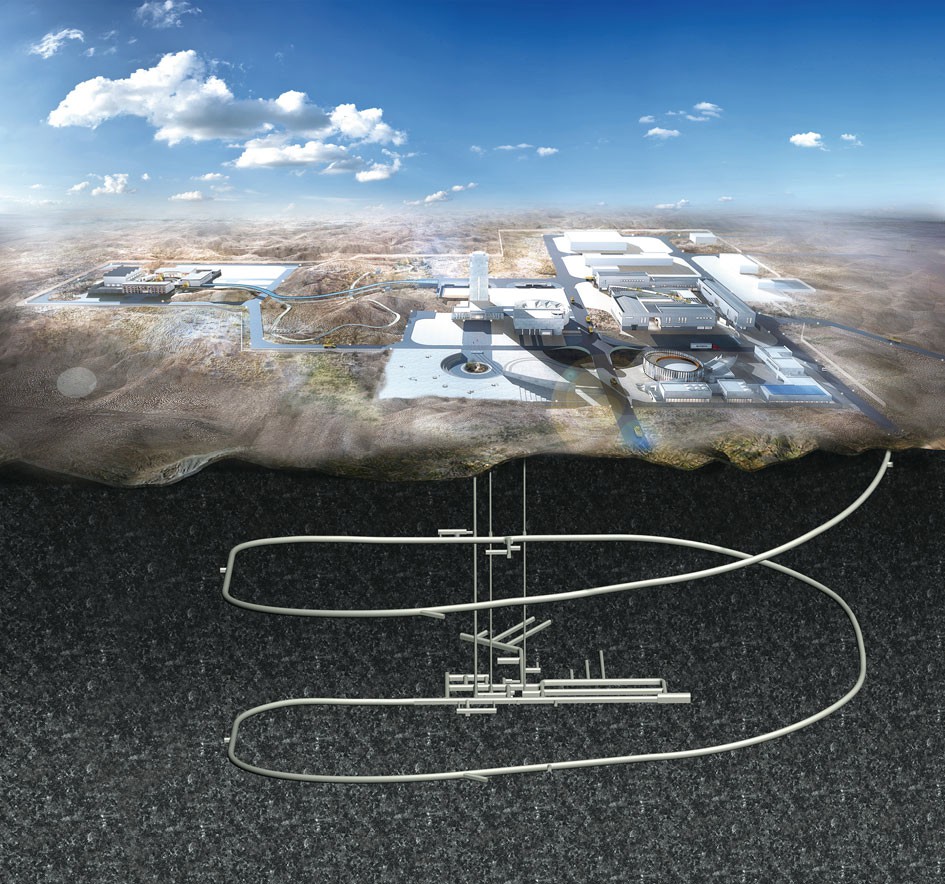
Fig. 7. 3D image of the Beishan underground laboratory for high‐level radioactive waste disposal (Wang J. et al., 2026,Deep Underground Science and Engineering)